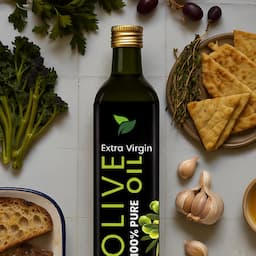
Olive oil paratha can be a healthier alternative to ghee-based paratha because it provides heart-friendly monounsaturated fats, may help lower LDL cholesterol, and can support more stable energy during Suhoor or breakfast.
Olive oil paratha benefits matter most when you are comparing your daily cooking fat. A paratha itself is not magically healthy or unhealthy on its own. The bigger difference often comes from what you cook it in, how much fat you use, and whether that fat supports your long-term goals like lower LDL cholesterol, better heart health, and steadier energy during breakfast or Suhoor.
That is why many households now look at extra virgin olive oil as a practical alternative to ghee, banaspati, or standard refined oils. It fits naturally into Pakistani cooking, works on a tawa at moderate heat, and adds a better fat profile without forcing you to give up paratha completely.
What are the main benefits of olive oil paratha?
The biggest advantage of using olive oil in paratha is the fat quality. Olive oil delivers mainly oleic acid, a monounsaturated fat linked with better lipid balance and lower cardiovascular risk. That makes it more aligned with cholesterol-conscious eating than ghee-heavy cooking.
| Feature | Olive Oil Paratha | Traditional Ghee Paratha |
|---|---|---|
| Main fat type | Mostly monounsaturated fats | Higher saturated fat load |
| Heart health angle | More supportive for LDL management | Less ideal if eaten heavily and frequently |
| Energy during fasting | Can support steadier release | Feels heavier for many people |
| Cooking fit | Works well for shallow pan cooking | Common but richer and denser |
Another benefit is practicality. You do not need a fully “diet” version of paratha to improve your breakfast. Even a simple swap from ghee to extra virgin olive oil can be a meaningful improvement when done consistently.
Health benefits of olive oil
Olive oil delivers monounsaturated fats, especially oleic acid, which is the reason it is repeatedly discussed in heart-friendly eating patterns. It may help lower LDL cholesterol, support healthier HDL balance, and reduce the overall burden on your cardiovascular system.
It also contains naturally occurring compounds such as hydroxytyrosol and oleocanthal. These are valued because they contribute antioxidant and anti-inflammatory activity, making olive oil more than just a calorie source. Alongside that, vitamin E and vitamin K add extra nutritional value to everyday cooking.
For people fasting, olive oil can also help with satiety. Since fat digests more slowly than a quick-carb breakfast, a moderate amount at Suhoor may support steadier energy through the first half of the day.
What makes extra virgin olive oil special
Extra virgin olive oil sits at the top of the olive oil grading system because it is mechanically extracted without chemical refining. That matters because cold-pressing helps preserve its natural polyphenols, tocopherols, and the light peppery finish associated with high-quality oil.
In practical terms, that means you get an oil that is both functional and nutrient-dense. It supports daily cooking, dressing, dipping, and light frying while keeping more of the compounds that refined oils usually lose.
When an olive oil tastes slightly grassy, fruity, or lightly peppery, that is often a sign that the beneficial compounds are still present.
Why does extra virgin olive oil work well for paratha and frying?
One of the biggest myths in Pakistan is that extra virgin olive oil cannot handle desi cooking. For normal home paratha cooking, that is not true. Its smoke point generally sits around 190°C to 210°C, while a normal tawa-cooked paratha usually stays near or below 180°C.
That makes it suitable for shallow frying, light pan work, and daily breakfast cooking. The key is to avoid overheating the pan and to use moderate heat instead of aggressive deep-fry style temperatures.
Preheat the pan gently, then add olive oil. If the pan is too hot, you waste flavor and degrade useful compounds faster.
For most households, this means olive oil can comfortably handle parathas, anda bhurji, daal tarka, vegetables, kebabs, and simple sautéing without ruining taste or stability.
How do you make olive oil paratha and use it at Suhoor?
To make olive oil paratha, mix 1.5 cups atta flour with a pinch of salt, around 5 tablespoons of extra virgin olive oil, and enough warm water to form a smooth dough. Let it rest for about 15 minutes before rolling.
- Divide the dough into 10 to 12 portions.
- Roll each one into a thin round.
- Fold it into layers or a cone shape for flakiness.
- Roll again into a flat round.
- Cook on a non-stick or stainless-steel pan over medium heat for 3 to 5 minutes until golden on both sides.
You can keep it simple, or pair it with scrambled eggs, omelettes, cucumber, tomato, feta cheese, fresh mint, lemon juice, or a light curry. For Suhoor, one to two tablespoons of olive oil total across the meal is often enough. More than that can make the meal feel too heavy without adding much extra benefit.
Best practices for cooking with olive oil
- Keep the cooking temperature around 160°C to 180°C for best results.
- Use a good pan that distributes heat evenly.
- Avoid reusing the same oil too many times.
- Store the bottle in a cool dark place, away from direct sunlight.
- Use olive oil as part of the whole meal pattern, not as a miracle ingredient.
These small habits matter because even a good oil performs poorly when repeatedly overheated or stored badly.
The Sunnah perspective: olive oil in Islamic tradition
Olive oil also carries strong meaning in Islamic tradition. The olive tree is referenced in the Quran, and Hadith literature mentions olive oil as coming from a blessed tree. That is one reason many Muslim families already feel naturally connected to using olive oil during Ramadan.
What makes this especially meaningful at Suhoor is that the traditional guidance and the nutrition logic point in the same direction: use nutrient-dense foods that support the body through long hours of fasting. Olive oil fits that role well.
What myths should you ignore about olive oil in desi cooking?
Myth: Foods soak up more oil when fried in olive oil
Oil absorption depends much more on temperature control than oil type. When the pan is properly heated, the outer surface cooks quickly and helps reduce greasiness. If the oil is too cool, any fat can soak in more heavily.
Myth: Olive oil tastes strange in desi foods
A mild or medium-intensity EVOO blends well with Pakistani spices. In dishes like anda bhurji, aloo ki bhujia, daal tarka, and chicken karahi, the main spices still dominate the flavor. Olive oil usually sits in the background rather than taking over the dish.
Myth: Olive oil is too expensive for daily use
Per bottle, olive oil costs more. But per use, it can be more reasonable than people assume because it spreads well and often needs a smaller amount than heavier oils. When you also consider the long-term value of better daily fat quality, the decision becomes easier.
The reality: olive oil is perfectly suitable for Pakistani cooking
Olive oil is not just for salads or Western dishes. It works in Pakistani kitchens for parathas, tarka, sautéing, kebabs, roasted vegetables, and breakfast items. Its stability at moderate cooking temperatures, along with its better fat profile, makes it a practical everyday option.
That is why it fits especially well for people who still want familiar food but need to be more careful about cholesterol, heaviness at breakfast, or what they eat before fasting starts.
Why choose a good quality olive oil for paratha?
A better oil gives you three practical advantages: more stable flavor, better preservation of beneficial compounds, and greater confidence about purity. Cold-pressed oils with a naturally peppery finish usually reflect stronger oleocanthal and polyphenol presence.
For households in Lahore, Islamabad, Rawalpindi, Faisalabad, and other cities, that means choosing a reliable, fresh, extra virgin olive oil source instead of a vague blended bottle that only uses olive imagery for marketing.
Historical background
Paratha is deeply rooted in South Asian food culture, while olive oil has a long Mediterranean history. Trade links between regions helped olive oil reach the subcontinent centuries ago, and today that older connection is returning in a more practical form: people are using olive oil not as a luxury symbol, but as a healthier cooking fat for familiar foods.
Frequently Asked Questions
Is it safe to cook parathas in extra virgin olive oil if I want to lower my cholesterol?
Yes. Cooking parathas in extra virgin olive oil at medium heat is generally safe for normal home cooking. The more important point for cholesterol is the fat profile: EVOO contains mostly monounsaturated fats, which are more supportive for LDL control than ghee or butter-heavy cooking.
Can I take olive oil on an empty stomach during Suhoor?
Many people do. A small amount before or with Suhoor may support bile flow and make the meal feel more sustaining. If you are new to it, start small and see how your stomach responds.
How much olive oil should I consume at Suhoor?
Most adults do well with one to two tablespoons across the meal. That is usually enough to support satiety without making breakfast feel excessively oily or heavy.
Is extra virgin olive oil better than regular olive oil for Suhoor?
Usually yes, because extra virgin olive oil retains more polyphenols and natural compounds than refined olive oil. For a daily meal like Suhoor, that is the more useful option if your budget allows it.
Can olive oil help with Ramadan headaches?
It may help indirectly by slowing digestion and reducing fast energy crashes when used inside a balanced Suhoor. But hydration, sleep, and total meal quality still matter more than any single ingredient.
Is olive oil suitable for children fasting during Ramadan?
Yes, in moderate portions. For younger children, a lighter amount such as half a tablespoon per paratha is usually more practical than a heavy oily meal.
Conclusion
Olive oil paratha is not a magic health food, but it is a smarter version of a food many people already love. When you use extra virgin olive oil instead of ghee or heavily refined fats, you improve the quality of the meal without losing the familiarity of paratha itself.
For breakfast and especially for Ramadan Suhoor, that matters. One to two tablespoons used thoughtfully can support steadier energy, better fat quality, and a more heart-conscious daily routine. For Punjabi and Pakistani households trying to reduce LDL cholesterol without giving up desi cooking, this is one of the easiest realistic upgrades to make.
This article is for informational purposes only and does not replace medical advice. If you have a diagnosed heart, digestive, or metabolic condition, speak with a qualified healthcare professional before making major dietary changes.
What Our Customers Say
Switching to olive oil paratha made a noticeable difference. It feels lighter, and I don't get the heavy feeling after breakfast like I used to with regular oil.
✓ Verified PurchaseMain ne paratha olive oil mein banana start kiya hai aur honestly kaafi light lagta hai. Taste bhi acha hai aur digestion bhi better feel hota hai.
✓ Verified PurchaseOlive oil paratha pehle thora ajeeb laga tha lekin ab aadat ho gayi hai. Pet heavy nahi hota aur energy bhi stable rehti hai.
✓ Verified PurchaseThis helped me understand the benefits of cooking with olive oil. Now I use it not just for salads but also for paratha and daily meals.
✓ Verified PurchaseAb mujhe clear hai ke olive oil paratha benefits kya hain. Ghar mein sab ko pasand aa gaya hai aur health wise bhi better lagta hai.
✓ Verified Purchase